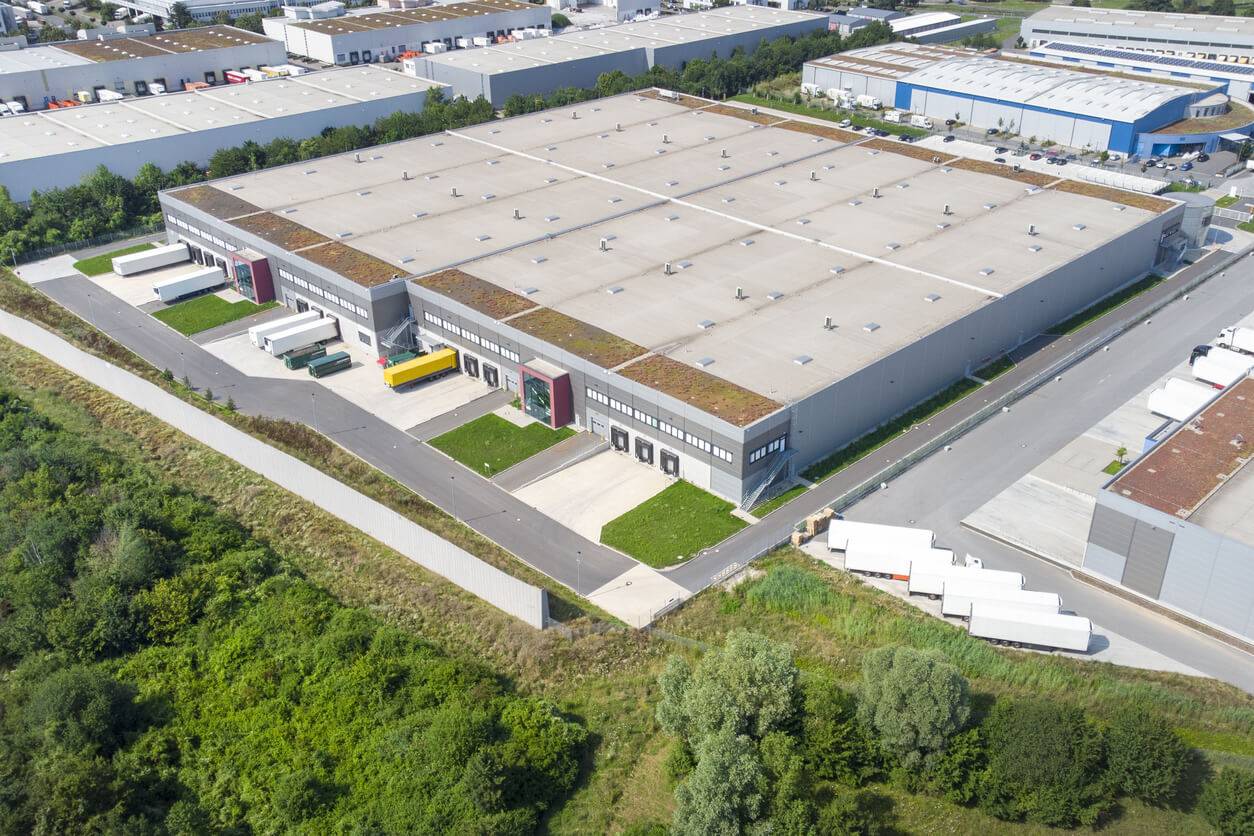
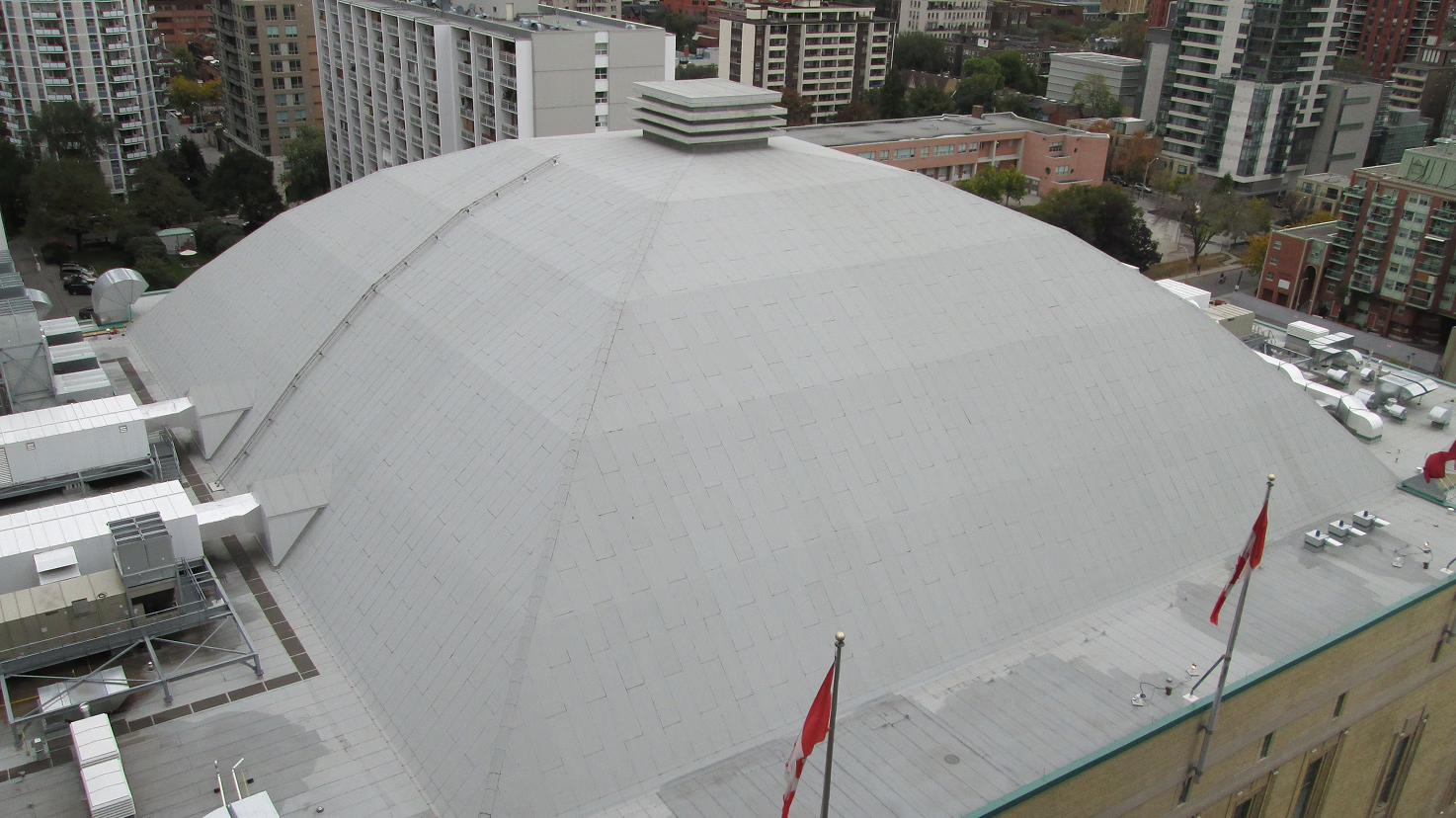
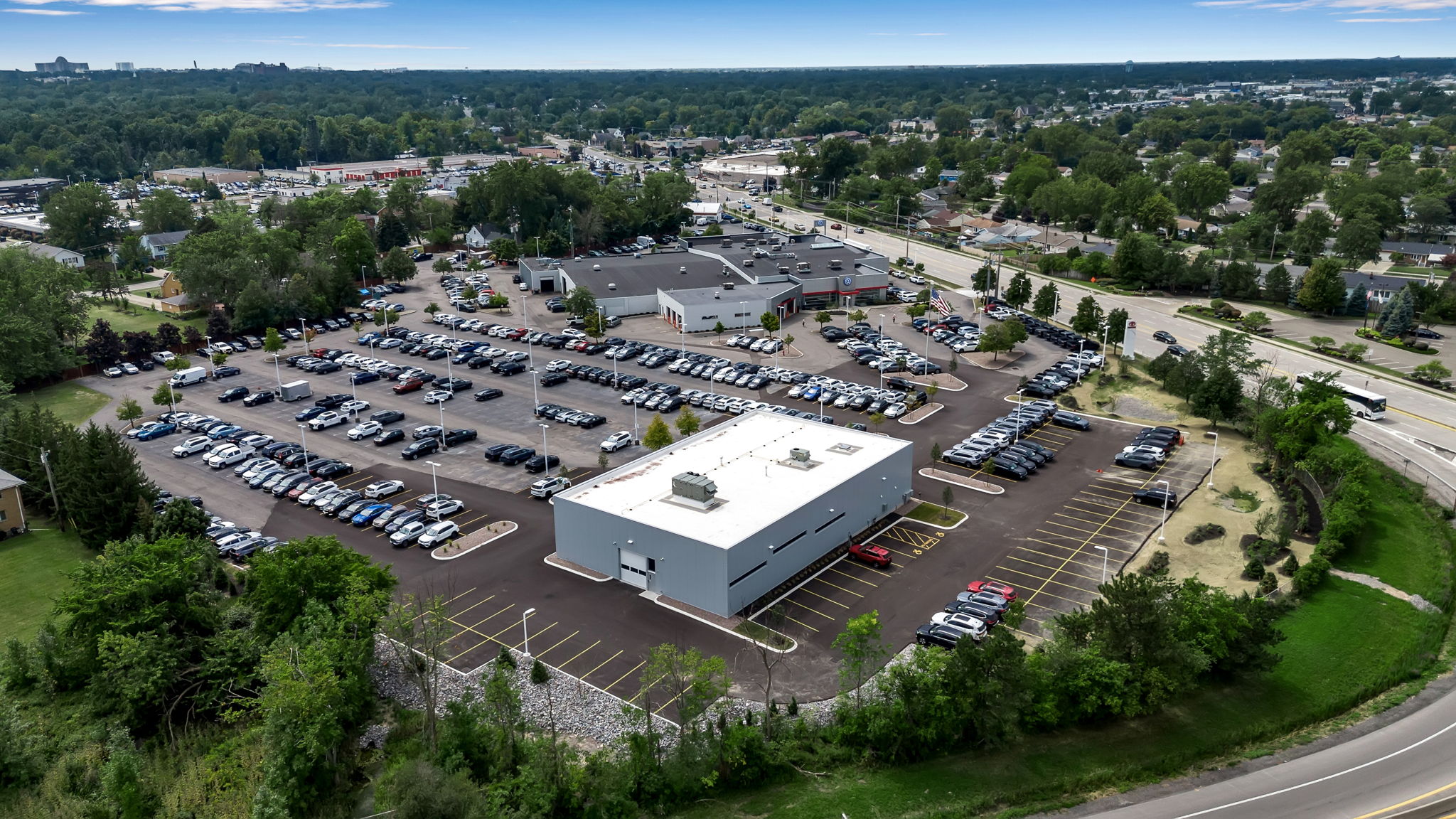
Amazon operates a massive fulfillment center on North Columbia Boulevard in Portland, Oregon, and the roofing demands facing that facility are representative of the challenges every warehouse owner in the Pacific Northwest must address. Portland's climate is defined by nine months of persistent overcast and rainfall, followed by a brief but intense summer that creates its own set of thermal and UV stresses. The combination of saturated roofing conditions from October through June and rapid membrane heating from July through September creates a performance envelope that requires specific system design choices that differ from both the Sun Belt and the Northeast markets.
EPDM has dominated the Pacific Northwest warehouse roofing market for decades, and for good reason. Its flexibility in cold conditions, its resistance to standing water ponding, and its long track record in Portland's wet climate make it the benchmark single-ply choice. Fully adhered EPDM — bonded to the insulation substrate with water-based or solvent-based adhesive — is preferred over mechanically attached systems in Portland because the persistent moisture and wind from the Columbia River gorge creates dynamic loading on lap seams that adhesive attachment handles better than discrete fastener patterns. However, for very large warehouses where the adhesive cure window is compromised by rain, mechanically attached TPO with factory-seamed rolls offers a faster installation schedule that reduces weather-exposure risk.
Drainage design for a Portland warehouse must account for the region's sustained moderate rainfall rather than the burst-intensity events of the Gulf Coast or Southwest. Portland's average annual rainfall of 43 inches is distributed fairly evenly from October through May, meaning that a large warehouse roof is always draining to some degree. Internal drains with strainer baskets must be cleaned monthly during the wet season, not twice yearly as is adequate in drier climates. The City of Portland's Bureau of Environmental Services stormwater regulations may require on-site retention or green infrastructure for large re-roofing projects that exceed trigger thresholds; consult with a civil engineer before finalizing the roof scope if the site is in a watershed management overlay zone.
Dock penetration flashing in Portland must handle the thermal cycle from a wet, 35-degree January day to a dry, 100-degree July afternoon — a range that, while not as extreme as Phoenix or Pittsburgh, is enough to cause flashing failures in systems designed for temperate climates without that swing. Dock seal frame penetrations should use a prefinished aluminum counterflashing rather than galvanized steel, which corrodes within five years in Portland's consistently moist environment. The adhesive used at lap seams and flashing transitions must be a water-resistant formulation, as construction adhesives exposed to Portland's perpetual moisture before they fully cure will peel within two seasons.
Forklift exhaust ventilation and battery charging station fume extraction are common sources of roof penetrations in Portland distribution centers. Oregon OSHA requirements for industrial ventilation are consistent with federal OSHA standards, but Portland's clean air regulations from the Bureau of Development Services may impose additional requirements for exhaust discharge height and direction. Gravity ventilators with fixed-open or thermostatically controlled dampers are common on Portland warehouses; they require proper curbed penetrations with flexible collar flashings that accommodate the thermal movement and intermittent loading from maintenance access.
Oregon's energy code (based on ASHRAE 90.1, climate zone 4C for Portland) requires minimum roof insulation values of R-30 for commercial buildings. Portland's sustainability-focused building culture has produced a local design community that frequently exceeds code minimums, and many large warehouse projects in the Portland market specify R-35 or R-38 insulation assemblies to achieve LEED energy points or to meet the Oregon Energy Code's prescriptive path for enhanced performance buildings. Portland also has an active green roof incentive program through the Bureau of Environmental Services; some warehouse owners have installed modular vegetative roof systems on portions of their rooftops to qualify for stormwater fee reductions.
Permitting for commercial roofing in Portland runs through the Bureau of Development Services, which requires a licensed Oregon Construction Contractors Board (CCB) registered contractor, a building permit, and inspections at insulation and final stages. Oregon's CCB registration is separate from specialty contractor licensing; confirm that your roofing contractor holds both a valid CCB registration and a current general liability certificate. Portland's permit queue for large commercial projects has run six to twelve weeks in recent years; factor this into scheduling, particularly if a reroof must be completed before the October rainy season onset.
Preventive maintenance on a Portland warehouse roof is dominated by drain management during the wet season. Monthly drain strainer cleaning from October through May, quarterly membrane seam inspections looking for adhesive bleed-through or lap separation, and annual flashing inspections at all penetrations are the minimum program for a well-managed Portland warehouse. Moss and algae growth on low-slope roofs is a Portland-specific maintenance issue; some facilities treat the membrane with copper-bearing biocide strips near drainage paths to reduce biological growth that can obscure membrane damage during visual inspections.