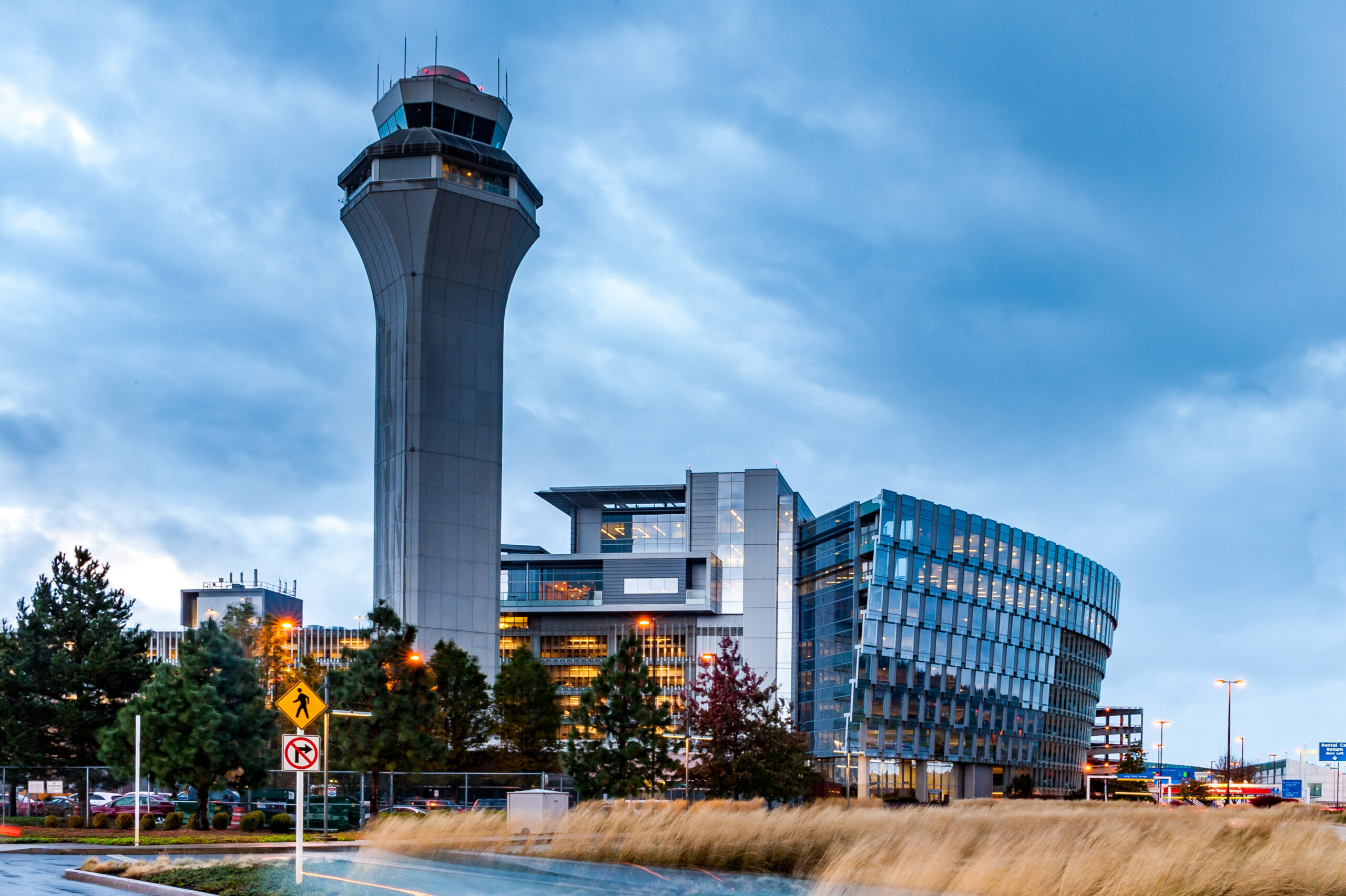
An airport does not close, and that single fact governs everything about roofing one. Portland International Airport runs flights and ground operations around the clock, so there is no overnight shutdown to work inside and no slack day to catch up. Every access point, every material lift, every crew deployment has to be coordinated with the airport's facilities department, the FAA Part 139 safety program that governs commercial airfields, and in secure areas with TSA protocols. We build that coordination into the scope before the contract is signed rather than discovering it at mobilization, because an airport project that is not planned around operations does not get off the ground. PDX is the largest airport in Oregon and the gateway for the region, and its newer terminal hall is notable for a sweeping mass-timber roof structure that has drawn national attention, which is exactly the kind of feature that raises the bar on the roofing and waterproofing details around it.
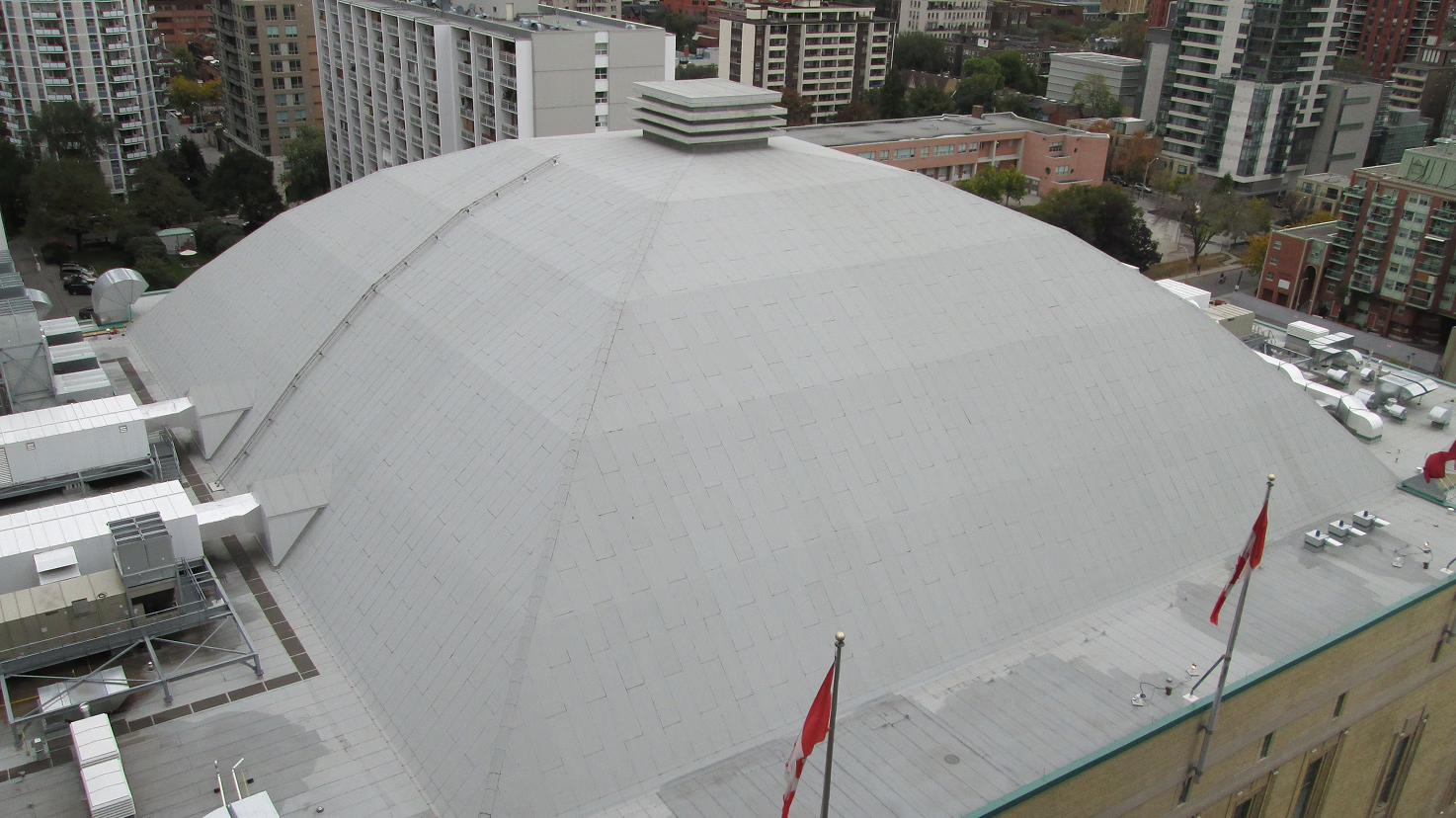
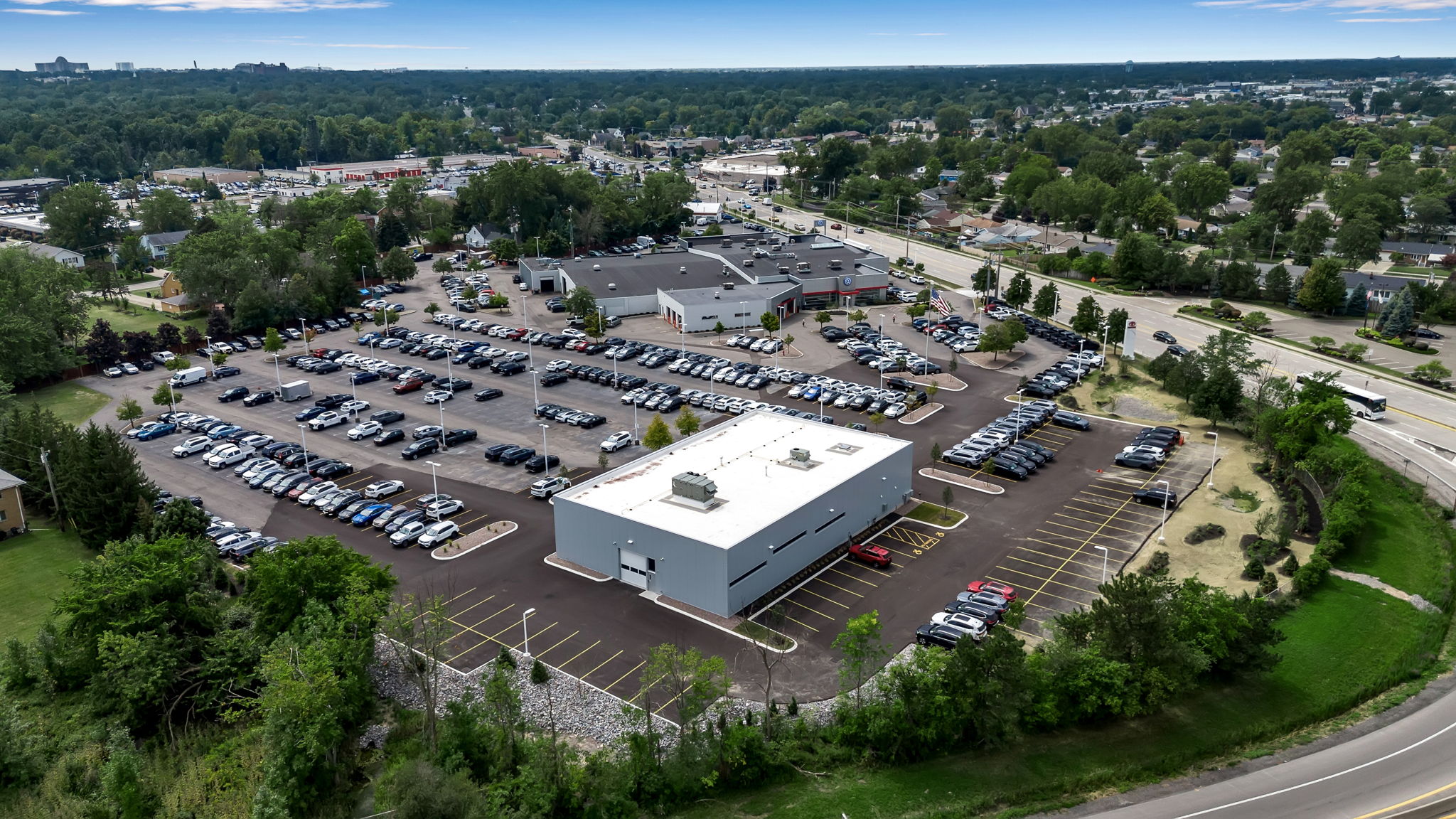
Terminal roofs are large, flat, and unforgiving. They cover long, low-slope expanses where drainage design is everything and ponding tolerance is essentially zero, and in Portland that low slope meets one of the wettest climates in the country. The long rainy season and the persistent, slow rain the city is known for mean any flat spot that holds water holds it for months, and standing water plus the region's relentless moss and biological growth will degrade a membrane fast. We design terminal re-roofing around drainage first, typically a TPO or PVC single-ply over a tapered insulation system that builds positive slope into a deck that was poured nearly dead flat, so water moves to the drains instead of sitting over an occupied concourse.
Airside roofs see forces a comparable logistics building never does. Jet blast and the open, exposed siting of airfield structures put wind uplift and direct thrust on the membrane, so adhesion and ballast specifications have to exceed what you would use on an ordinary low-slope roof, and edge metal and terminations have to be detailed for it. Terminal HVAC is also denser and heavier than standard commercial, which means more curbed penetrations, larger equipment, and more flashing touchpoints to maintain. We document every penetration, curb height, and mechanical clearance in a pre-project survey and engineer the flashing for oversized equipment individually, because residential-pattern details have no place on an aviation structure.
An airport is a campus, not a single building, and the aviation-adjacent structures each bring their own demands while the coordination requirement never relaxes. Cargo facilities, rental-car centers, FBO buildings, aircraft maintenance shops, and the hotels on airport property all sit inside the security envelope, and our crews treat badging and access at any part of the campus as a baseline we plan for, not something we improvise onsite. The general-aviation and reliever airports around the metro, including Hillsboro to the west, which serves the Silicon Forest tech corridor, and Troutdale to the east, have lighter security protocols but often more demanding buildings.
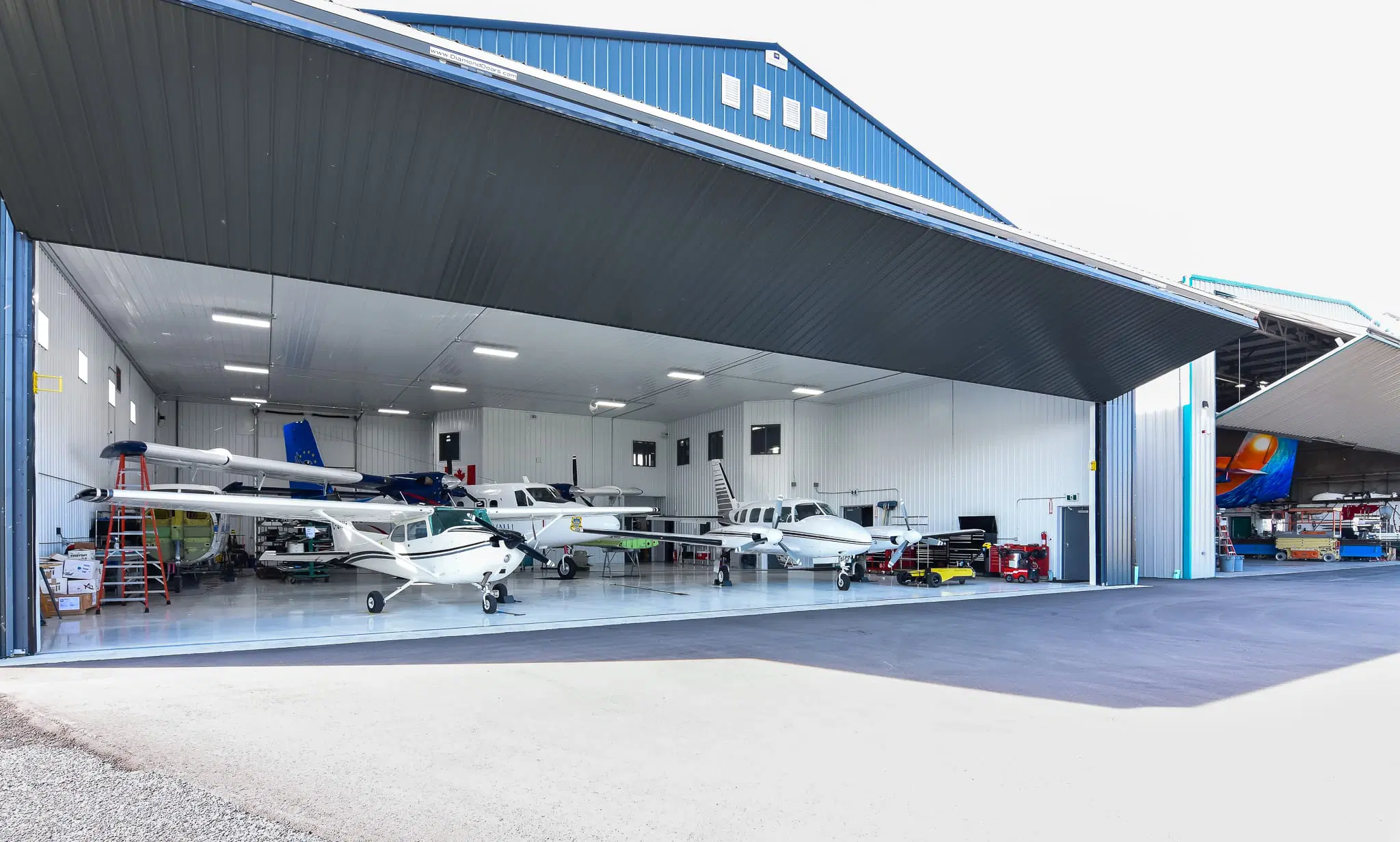
High-bay hangars are the clearest example. A hangar is a large clear-span structure with a roof that has to handle significant wind uplift and the thermal movement that comes with that much steel and glazing, and the fastening pattern and seam geometry have to be specified for those loads specifically. We spec and install standing seam metal and single-ply systems on hangars and pre-engineered aviation buildings throughout the Portland area, sizing the attachment to the actual structure rather than reaching for a default.
Scheduling at an operational airport is a coordinated process, not a contractor's choice. We work with the facilities department and the Part 139 coordinator to develop a phased plan approved by airport operations, run material deliveries and crane lifts inside approved windows, and tie into the FAA notice process when work near airside areas requires it. Airside work demands a higher level of pre-planning and crew credentialing, which we carry in the bid timeline, and we do not put a crew member on an airside roof without confirmed authorization. That is a rule we enforce, not a favor we request.
The right specification comes out of walking the roof with the facility's engineer, not off a shelf. The existing deck, its load capacity, the operational constraints, and the exposure all drive the choice between a tapered single-ply terminal system and a standing seam metal roof on a high-bay structure. We develop the spec after that walk, and we bring the documentation discipline these owners expect, so the roof that goes on a terminal or a hangar is matched to the building and to the way it runs every hour of every day.
We develop a phased plan with the facilities department and the FAA Part 139 coordinator, run deliveries and crane lifts inside approved windows, and use the FAA notice process when work near the airfield requires it. Airside crews must hold confirmed authorization before they go up.