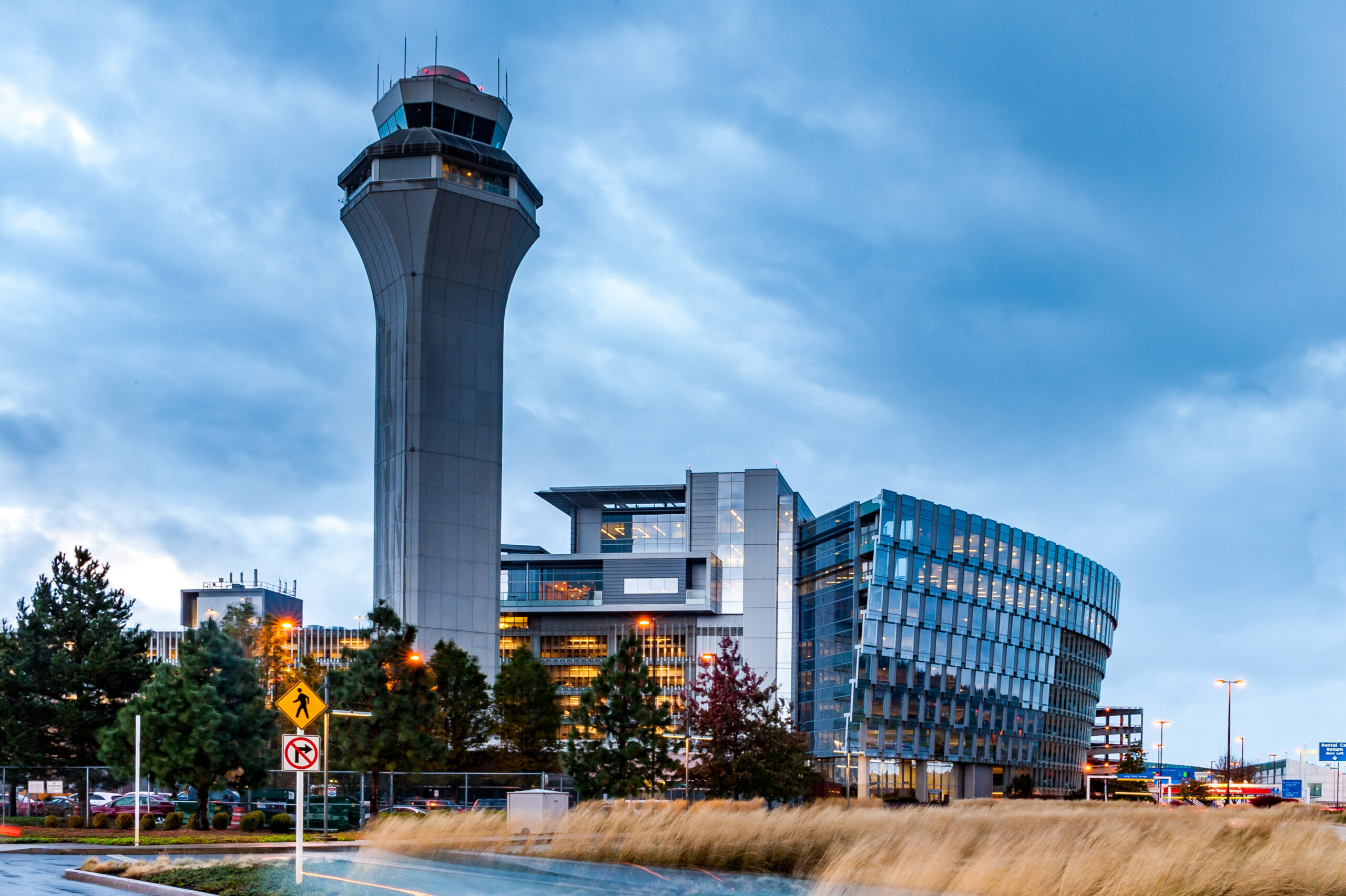
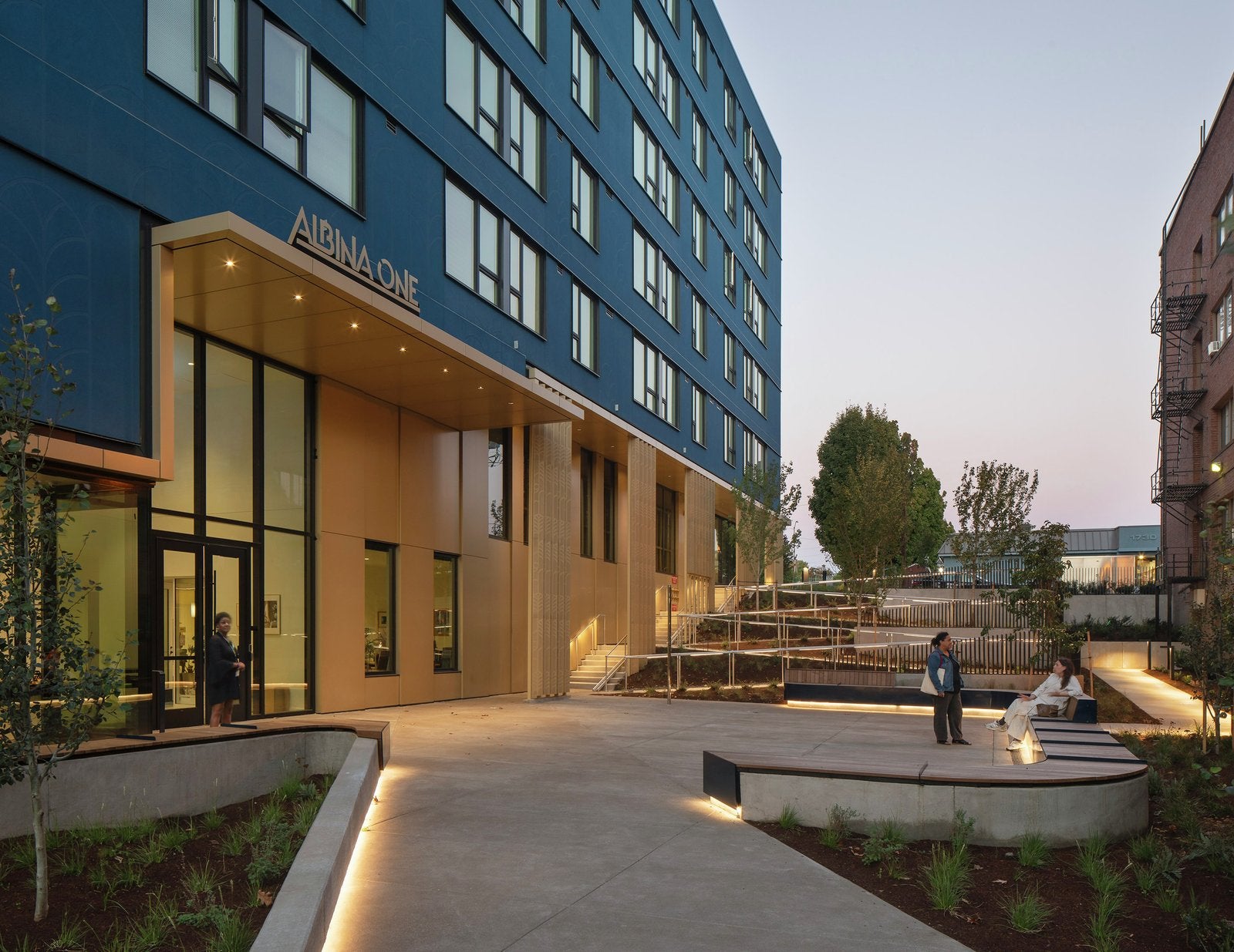
Nike's World Headquarters campus in Beaverton, Oregon, just west of Portland, is one of the most architecturally celebrated corporate campuses in the Pacific Northwest and a prominent example of the demanding roofing requirements that Class A office and research buildings face in Oregon's wet climate. Office building owners throughout the Portland metro area — from the high-rise towers of the Central Eastside and downtown to the tech campuses of the West Side — operate under Oregon's progressive energy codes, Portland's ambitious sustainability goals, and a climate where persistent rain and overcast conditions make moisture management the central discipline of commercial roofing.
Occupied building protocols in Portland office buildings must account for the fact that the roofing season and the workday largely overlap, and that Portland's wet climate means that a gap in the membrane at the end of a workday is a gap during rain. Every Portland office roofing project must include a daily shut-down protocol that leaves zero open membrane laps overnight, watertight temporary protection over any areas where membrane installation is incomplete, and a weather-watch system coordinated with the National Weather Service's Portland forecast zone. The Portland metro area averages precipitation on 144 days per year; planning for dry workdays only is not a viable project management strategy.
LEED options are more thoroughly integrated into Portland's commercial real estate market than in almost any other American city. Oregon's status as a national leader in green building, Portland's C-PACE financing program for energy and sustainability improvements, and the Oregon Department of Energy's Business Energy Tax Credit (BETC) program create a financial and regulatory environment where LEED-compliant roofing assemblies are often the most economically rational choice, not just a marketing feature. A vegetated roof on a Portland office building qualifies for green stormwater infrastructure credits under the Bureau of Environmental Services, contributes to LEED Heat Island and Stormwater credits, and reduces Portland's notoriously high stormwater utility fees for large impervious commercial rooftops.
HVAC coordination on a Portland office building is less heat-intensive than in warmer markets but more moisture-sensitive. Rooftop AHUs, cooling towers, and exhaust fans are all points where the building envelope meets the mechanical system, and every one of those transitions must be weathertight during the October-through-May rain season. Curb heights must be exactly right — neither so low that rainwater overtops the curb base flashing nor so high that equipment electrical and refrigerant connections cannot reach the equipment — and the curb insulation detail must prevent condensation on interior metal surfaces during the cold, moist Portland winter. Review curb heights with the mechanical contractor before membrane installation begins.
Oregon's energy code (ASHRAE 90.1, climate zone 4C for Portland) requires R-30 CI for commercial roofs, but Portland's sustainability culture and available incentives push many Class A office projects to R-35 or higher. The Oregon Department of Energy's Business Energy Tax Credit provides a tax credit for qualifying above-code energy efficiency roof plannings, including roof insulation above ASHRAE 90.1 minimum levels. For a large Portland office building, the BETC can cover 35 percent of the incremental cost of upgrading from R-30 to R-35, which often makes the upgrade financially self-justifying within a three-to-five-year payback window.
Lease obligations in Portland's Class A office market are shaped by the city's high-density environment and the progressive values of its major tenant community. Many Portland office leases for tech, healthcare, and professional services tenants include green building provisions requiring LEED certification maintenance and, in some cases, specific roofing performance standards. Review active leases before scheduling a re-roofing project to identify any such provisions, and confirm whether the planned system meets the tenant's lease requirements before specifying. A re-roofing project that downgrads the building's sustainability certification could trigger a lease compliance issue.
Portland's Bureau of Development Services (BDS) administers commercial roofing permits. Oregon CCB contractor registration is required, and large projects require engineer-stamped drawings with a wind uplift calculation. Portland's permit processing for commercial projects has been variable in recent years; the online permitting system has reduced processing time for smaller projects, but large complex office buildings may still require four to eight weeks for plan review. Budget time for the pre-application conference with BDS to confirm submittal requirements before investing in engineering documentation.
Preventive maintenance on a Portland office building roof is dominated by drain management, moss prevention, and seam integrity monitoring during the long wet season. Monthly drain cleaning from October through May, bi-annual seam inspections, and an annual biocide treatment to suppress moss growth are the core of a Portland office roof maintenance program. Infrared moisture surveys in early October — before the onset of the wet season — can identify wet insulation from summer condensation events before it spreads under the membrane during the rainy season. Budget $0.14 to $0.20 per square foot annually for a Portland Class A office building roof.