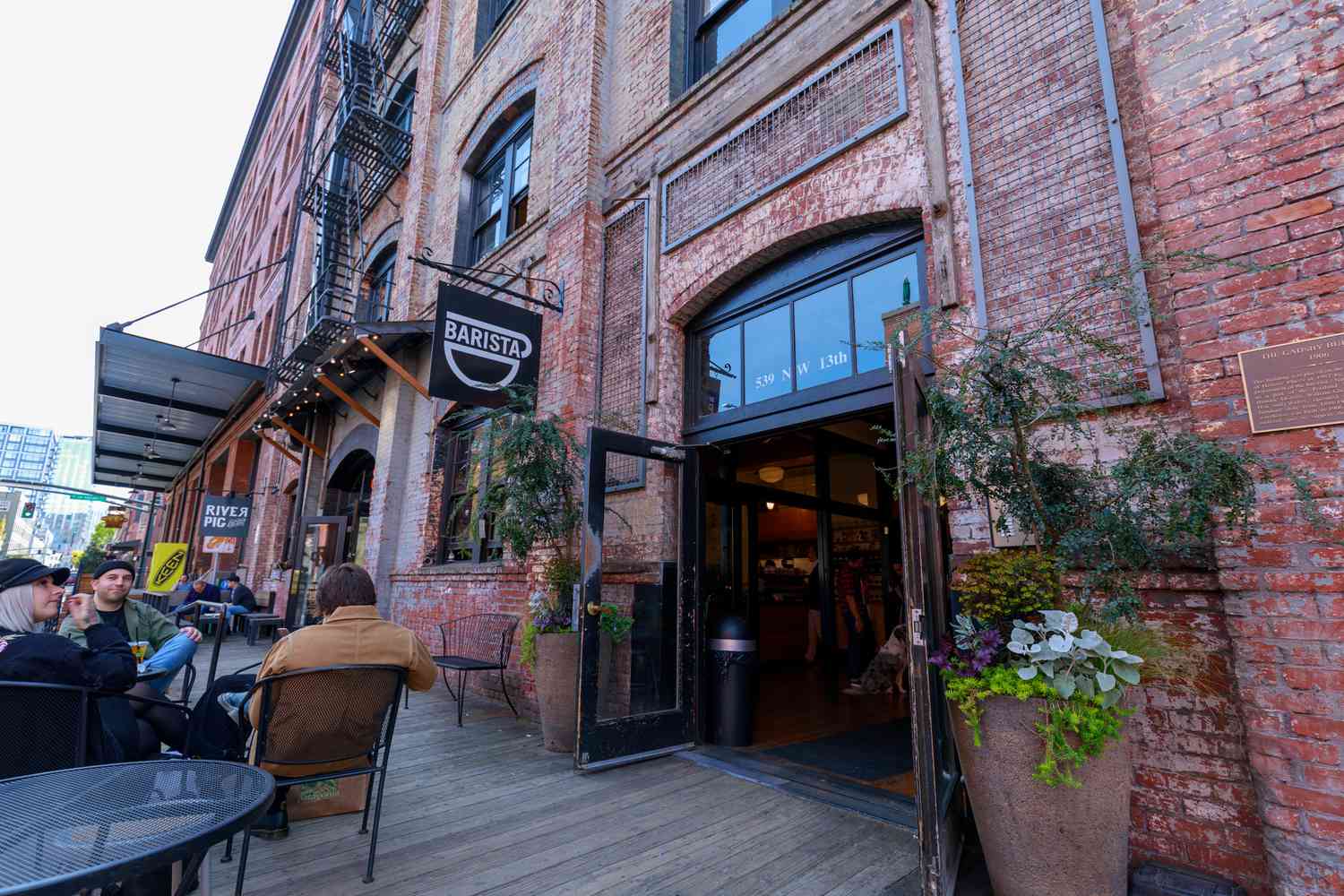
Portland's multifamily housing market encompasses one of the broadest geographic and architectural ranges of any Pacific Northwest city, from Victorian-era apartments in Northwest Portland's Pearl District adjacency and craftsman-influenced four-plexes throughout inner Southeast Portland neighborhoods like Hawthorne and Division, to contemporary mixed-use residential buildings rising along the MAX light rail corridors in Beaverton, Hillsboro, and Gresham. Property managers and real estate building owners operating across this spectrum deal with a roofing environment defined primarily by relentless winter precipitation, complicated by the structural and material idiosyncrasies of a building stock that includes some of the most creatively varied residential architecture in the American West.
Portland receives more than 36 inches of annual precipitation, and unlike many climates where rain events are intense but brief, Portland's precipitation pattern runs to extended gray periods of persistent low-intensity rainfall and drizzle that keep rooftop surfaces saturated for weeks at a time from October through May. This precipitation pattern is particularly punishing for any roofing detail that relies on gravity drainage alone, because standing water on minimally sloped surfaces has ample time to find and exploit any membrane discontinuity. Property managers experienced with Portland's Willamette Valley climate prioritize drainage system maintenance—clearing interior drains and scuppers of debris before fall—as a primary preventive measure against the chronic moisture complaints that older flat-roof apartment buildings generate through every wet season.
Portland's green building culture and Oregon's progressive energy codes have made sustainability and energy performance central considerations in commercial roofing decisions in ways that are more pronounced here than in most U.S. markets. Oregon's residential energy code applies to multifamily buildings up to three stories, and Portland's own green building requirements layer additional considerations on top. Property owners pursuing LEED certification for repositioned apartment assets, or those participating in Energy Trust of Oregon's commercial programs, will find that roofing insulation levels and cool-roof membrane specifications are among the most impactful variables they can control to improve an asset's energy profile and qualify for available utility incentives.
The HOA-managed condominium communities in Portland's close-in neighborhoods—particularly in the Pearl District, the South Park Blocks area, and the dense inner East Side—face a governance challenge particular to high-density urban development: the complex relationship between individual unit owner responsibilities and association-maintained building envelope systems. Portland's inner Eastside condo conversions from industrial loft buildings often have large flat-roof terraces managed by the HOA that sit directly above occupied units, creating situations where water infiltration disputes can become legally complex. Clear declaration language and a documented maintenance history for these rooftop areas are essential for HOA boards that want to manage their liability exposure.
Moss and biological growth on Portland apartment rooftops is not merely an aesthetic issue—it is a functional one. The persistent moisture and moderate temperatures that characterize Portland's mild marine climate create ideal conditions for moss colonization of asphalt shingles on sloped roofs, particularly in shaded areas created by the mature street tree canopy that lines residential blocks in neighborhoods like Ladd's Addition or Irvington. Moss absorbs and retains moisture against the shingle surface, accelerating granule loss and shingle degradation. Property managers who include biennial zinc-strip installation or moss-treatment applications in their maintenance programs extend shingle system life meaningfully and reduce the frequency of premature replacement.
Real estate building owners pursuing acquisitions in Portland's multifamily market have encountered a specific financing challenge: many of Portland's historic apartment buildings are subject to rent control provisions under Oregon's statewide rent stabilization law, and the regulated rent environment affects the economics of capital improvement roof planning in ways that differ from markets without rent control. Roof replacement costs on Oregon multifamily properties may qualify for capital maintenance rent increase applications under certain circumstances, but the process is complex and the allowable increases are limited. More commonly, Portland apartment building owners treat roofing as an investor-absorbed capital expense rather than a cost-recovery program, making the upfront selection of durable, low-maintenance roofing systems particularly important to long-term hold economics.
The Cascadia Subduction Zone and Portland's position within the Pacific Northwest seismic zone means that structural engineers reviewing roofing upgrades on older apartment buildings in the metro take a particular interest in added dead loads. Heavy ballasted EPDM systems or built-up roofing assemblies on pre-1960 wood-frame or unreinforced masonry apartment buildings near inner Northeast Portland or along the Willamette can create load conditions that complicate seismic risk planning. Lightweight fully adhered single-ply systems that provide excellent waterproofing performance without adding significant mass to the existing structure are generally favored by structural engineers advising on Portland's older multifamily building stock.
Metro Portland's apartment construction boom from 2010 through the early 2020s produced thousands of new units in suburban communities like Happy Valley, Tualatin, and the Tanasbourne area of Hillsboro, and those relatively new buildings are now entering the phase of their lifecycle where the original roofing systems' maintenance programs are being tested for the first time by the full range of Pacific Northwest weather. Developers who prioritized initial cost over long-term performance in their roofing specifications are beginning to hear from property managers and HOA boards about premature membrane failures, drain clogs caused by inadequate sizing, and flashing details that were inadequate for Portland's precipitation intensity. The pattern reinforces the value of getting commercial roofing specification right at the outset.