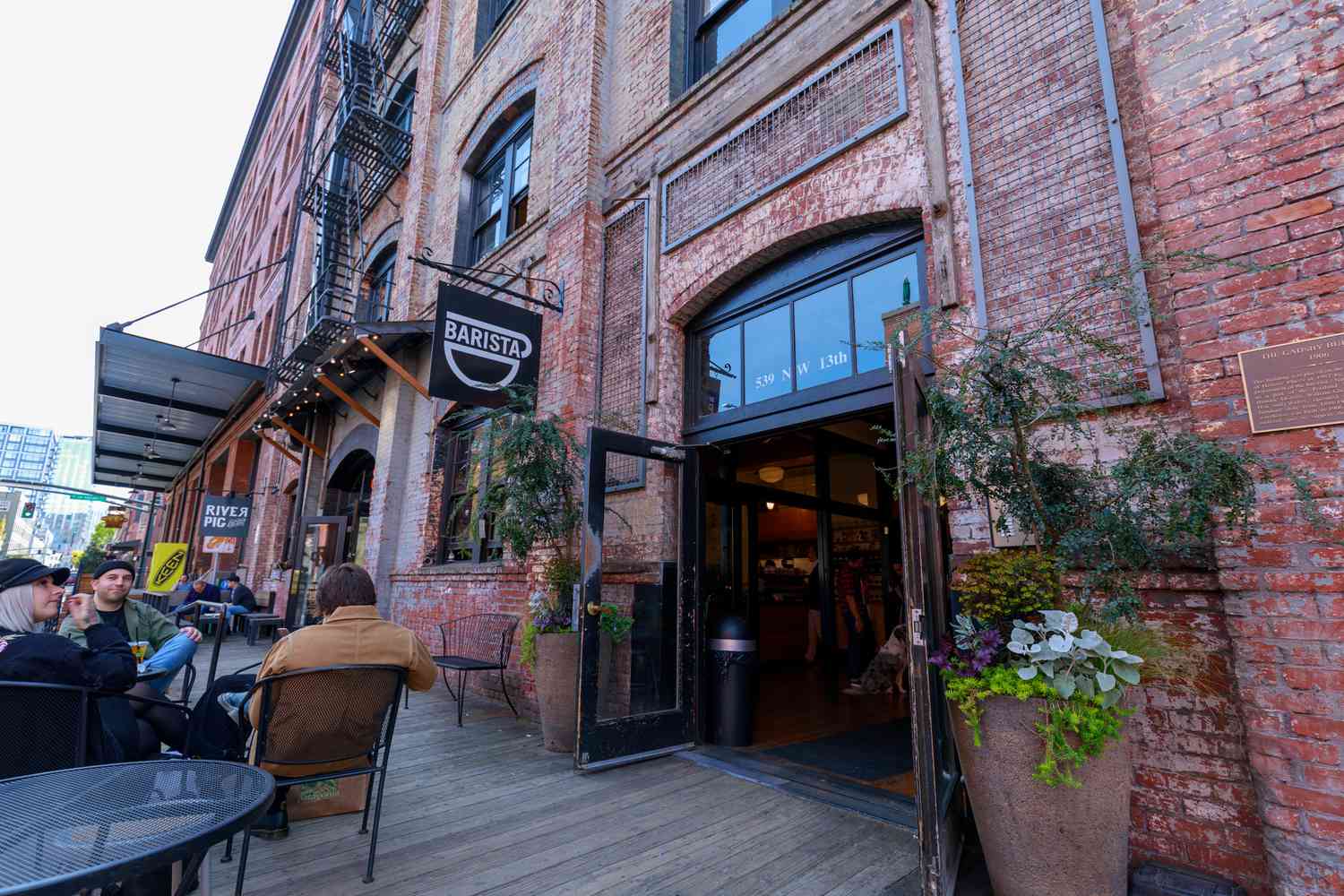
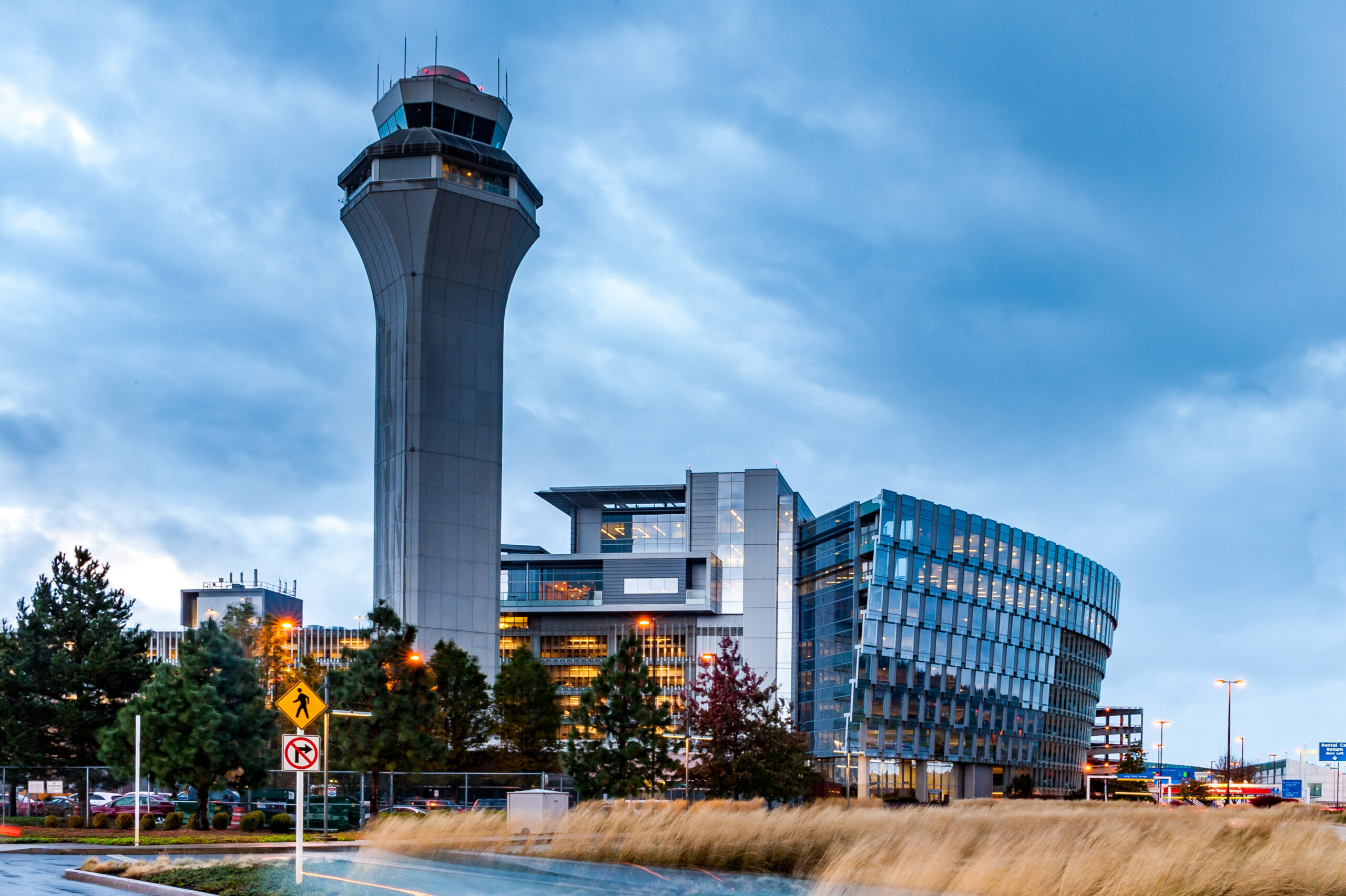
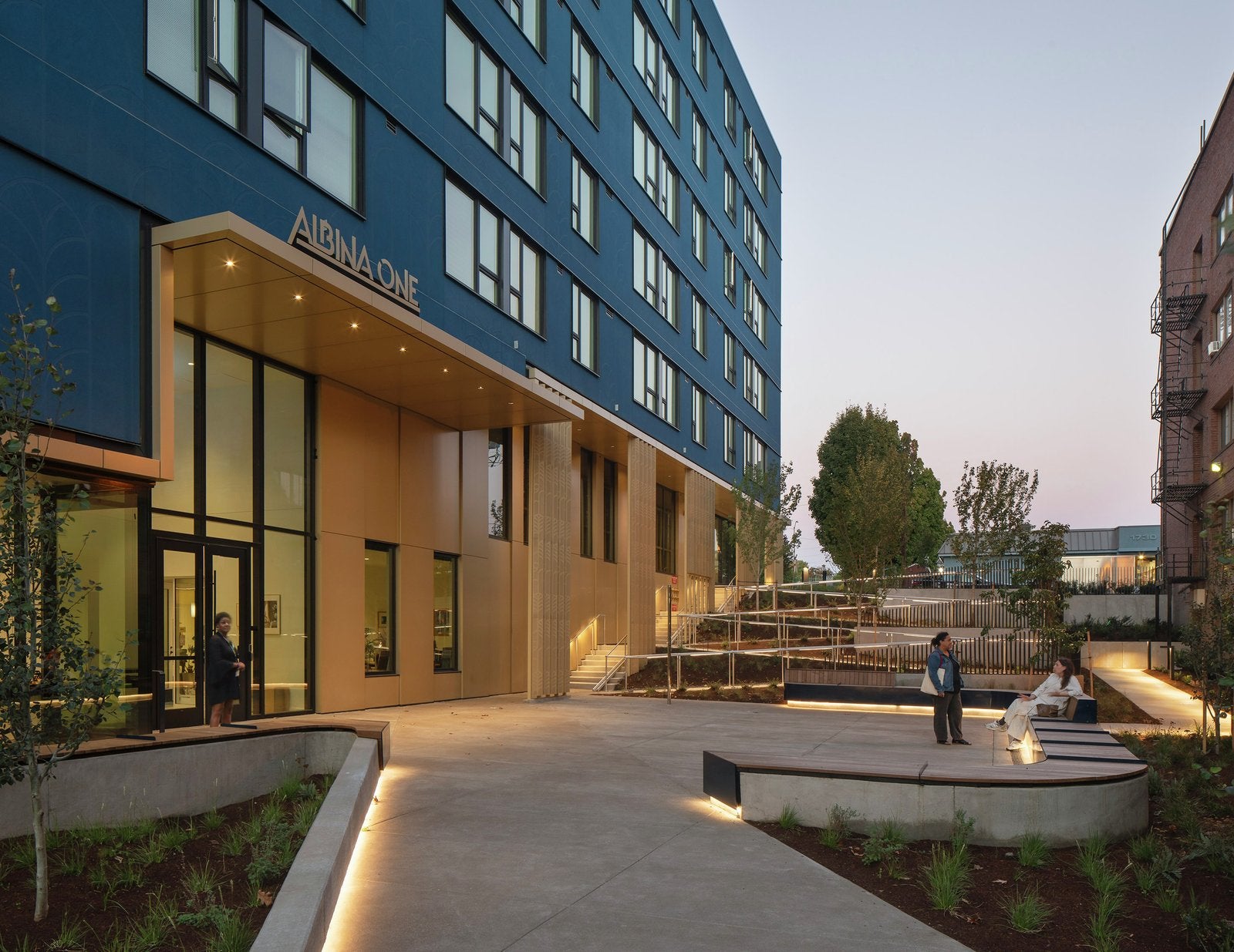
Portland's Pearl District, the Division Street corridor in Southeast, and the dense mixed-use spine developing along MAX light rail lines from Hillsboro to Gresham have made this city a sustained laboratory for mixed-use infill roofing at every scale. A five-story building on NW 23rd with a natural wine bar and specialty grocery at street level, creative office floors in the middle, and live-work lofts at the top sits in a climate context that rewards careful roofing decisions: 37 inches of annual rainfall, a persistent winter overcast that creates chronic low-level moisture exposure from November through April, and a building culture that takes green building performance seriously enough to penalize developers whose buildings don't perform as specified. Portland's mixed-use roofing work is consequential, and the market has developed the contractor sophistication to match.
Portland's wet climate makes continuous envelope airtightness the governing quality criterion for mixed-use roof assemblies in a way that drier markets don't experience. A roof assembly with even minor air leakage paths — unsealed membrane seam laps, incomplete flashing terminations, or improperly caulked curb-to-roof transitions — allows Portland's persistent winter moisture-laden air to enter the assembly and drive condensation against cold surfaces within the roof cavity. In a mixed-use building where the commercial floors below are conditioned differently from the residential floors above, those air leakage paths can also allow restaurant humidity and cooking odors to migrate into the residential envelope. Air barrier continuity at every penetration, transition, and flashing termination isn't a premium specification in Portland — it's the baseline for any quality mixed-use roof.
Green roofs have a deep root in Portland's mixed-use development culture, supported by the city's stormwater management credit program, the Bureau of Environmental Services' green infrastructure program, and Portland's leadership position in LEED commercial construction. Mixed-use developers in the Pearl District and South Park Blocks regularly incorporate both extensive sedum roofs over inaccessible areas and intensive planted terraces over accessible amenity decks, and those systems must perform in Portland's specific combination of persistent cool rain, infrequent but significant summer drought, and rooftop wind exposure. Drainage composite selection is critical in this climate: Portland's winter rainfall can saturate the growing medium continuously for weeks, and a composite with inadequate flow capacity creates ponding conditions that stress the structural deck and kill plant material. Root barriers, proper edge detailing at parapets, and overflow management systems are all essential components that inexperienced contractors omit and experienced ones include automatically.
Portland's seismic exposure — the city sits above the Cascadia Subduction Zone and within range of shallow crustal faults — requires that mixed-use building roof assemblies, equipment anchorage, and parapet details be designed for ASCE 7 seismic design category D at minimum. Rooftop HVAC units, mechanical penthouses, and heavy rooftop features like green roof soil media and paver systems represent significant seismic mass that must be anchored to the structural deck through engineered connections. The parapet-to-roof transition is a classic seismic vulnerability on mixed-use buildings: parapet wall movement in an earthquake event that tears the counterflashing and through-wall flashing at the base of the parapet creates a water entry path that isn't apparent until the first winter rainfall event after a seismic event. Flexible flashing details at parapet bases that accommodate racking movement are a Portland-specific requirement that contractors from lower-seismic-hazard markets may not recognize as necessary.
Fire-rated assembly documentation for Portland mixed-use buildings is processed through the Bureau of Development Services under Oregon-adopted IBC with City of Portland amendments. The BDS plan review for mixed-use projects requires documented UL or FM listing numbers for all occupancy-separating roof assemblies, and Portland's reviewers are specifically attentive to green roof assemblies — where the growing medium, drainage composite, and protection board layers may not be part of the tested fire-resistance assembly — and require separate documentation demonstrating that the green roof addition does not compromise the assembly's rated performance. Contractors preparing permit packages for Portland mixed-use projects with green roof or rooftop terrace components should coordinate with the BDS plan reviewer early rather than assuming standard assembly listings cover the complete installed configuration.
The Portland mixed-use market includes a significant volume of adaptive reuse — former industrial buildings in the Central Eastside, mid-century commercial buildings in the Hawthorne and Belmont corridors, and institutional structures throughout the inner neighborhoods — where the existing structural deck may be wood plank over heavy timber, concrete on steel, or composite systems with specific compatibility requirements for new roofing adhesives and fasteners. Portland's wet climate means that existing moisture in these historic assemblies is almost always present, and moisture survey should be a standard pre-bid step on any adaptive reuse mixed-use roofing project. The waterproofing system in a Portland adaptive reuse building where existing wet insulation was not fully removed will fail within five years as the trapped moisture drives vapor pressure against the new membrane and creates blistering, seam failure, and eventual water entry into the converted space below.
Rooftop amenity programming on Portland mixed-use buildings — the rooftop bar culture that has grown up in the Pearl District and SE Division corridor — requires waterproofing that can handle foot traffic, planters, portable furniture, and the episodic heavy rain that Portland's climate delivers in fall and winter even on rooftops that are primarily used in the summer. Pedestal paver systems set on adjustable supports that allow the drainage layer to function during winter rain events, drain capacity sized for Portland's 100-year storm event, and membrane systems that accommodate seismic racking movement are all specifications that belong in a Portland rooftop terrace assembly. The membrane should be accessible for inspection — Portland's winter dampness means that slow leaks can run along the deck and travel a significant distance before they appear in the space below, making drain outlet inspection and membrane condition assessment an annual fall maintenance priority.
Noise isolation in Portland mixed-use buildings is a tenant experience issue that the city's residential rental market takes seriously. Buildings in the Division Street and Mississippi Avenue entertainment corridors where restaurants, music venues, and bars occupy the ground floor beneath residential lofts have experienced the full range of acoustic performance outcomes — from buildings where residents are genuinely unaware of the commercial activity below, to buildings where noise complaints led to commercial tenant turnover and increased vacancy rates. The rooftop mechanical system's contribution to acoustic performance is through equipment isolation and duct system design, and getting those details right is a function of knowing the commercial tenant's equipment schedule at design time and specifying isolation accordingly.