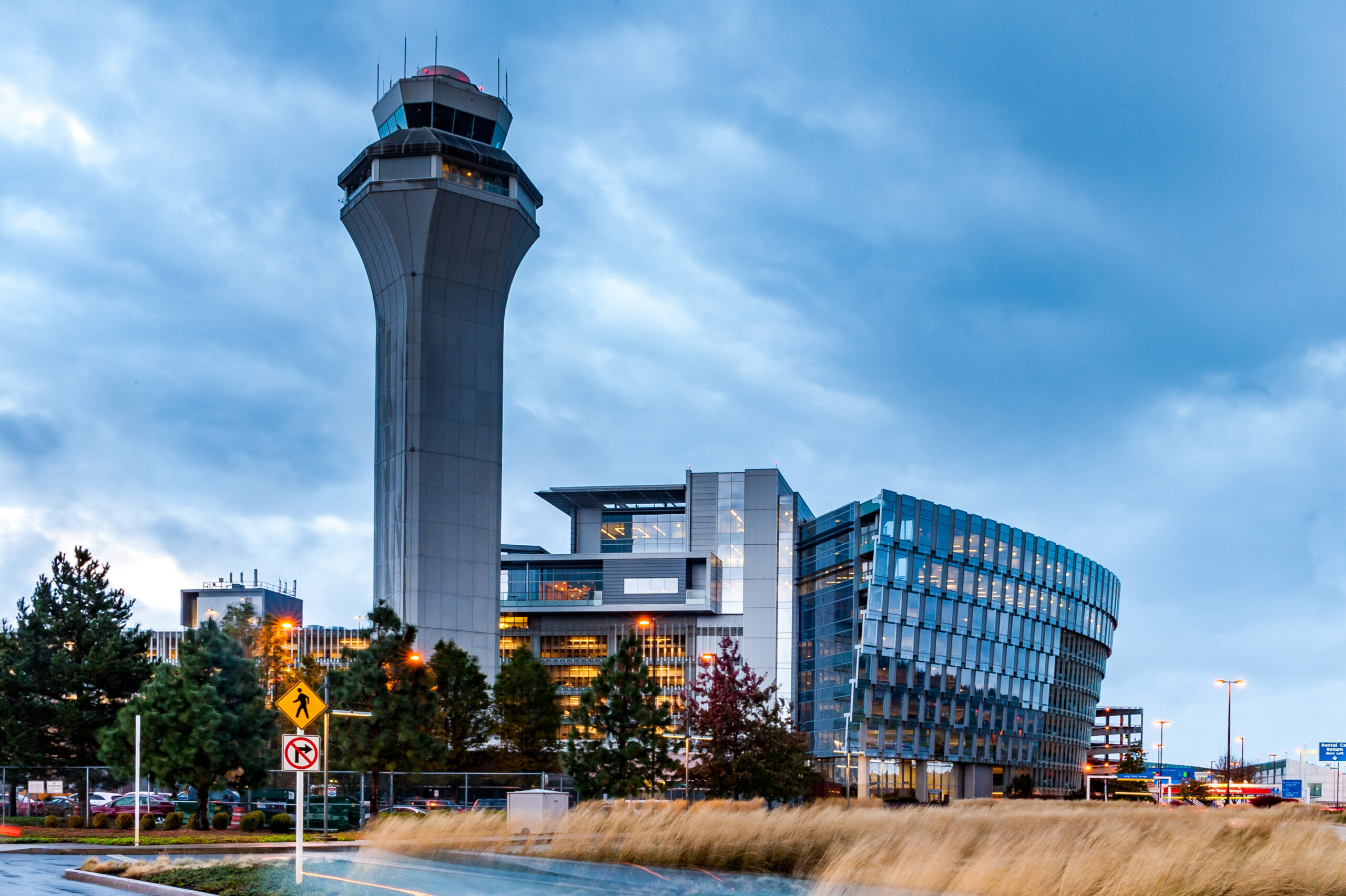
Portland, Oregon's healthcare landscape is centered on OHSU — Oregon Health and Science University — perched on Marquam Hill above the city with a commanding view and a challenging rooftop environment exposed to sustained westerly winds and the persistent rainfall that defines the Willamette Valley's nine-month wet season. Providence Health and Services maintains major facilities across the Portland metro including Providence Portland Medical Center and Providence St. Vincent Medical Center, while Legacy Health operates Legacy Emanuel Medical Center and several regional hospitals. This multi-system environment in a city defined by its progressive sustainability values and Pacific Northwest weather patterns creates a distinctive healthcare roofing market where energy performance, moisture management, and seismic preparedness all compete for priority in system design decisions.
Portland's rainfall pattern is the dominant environmental factor for healthcare rooftop performance — not dramatic individual storm events as in hurricane or tornado-prone cities, but an extraordinarily persistent moisture exposure that runs from October through June with only brief interruptions. Annual precipitation in the Portland metro typically approaches thirty-seven to forty inches, but the critical factor for roofing system performance is the frequency of precipitation rather than the volume. Hospital rooftops at OHSU, Providence, and Legacy facilities see measurable rain on more than one hundred and fifty days per year, meaning that any deficiency in membrane waterproofing, flashing integrity, or drainage performance is exposed to moisture and water infiltration pressure with relentless consistency rather than during discrete storm events. There is no extended dry season during which minor deficiencies can go undetected — Portland's rain finds every weakness.
OHSU's Marquam Hill campus presents unique roofing challenges beyond typical urban healthcare facilities. The hilltop location creates wind exposure conditions that significantly exceed those experienced at Portland's valley-floor hospitals, and the combination of elevated wind and constant rain exposure means that membrane seam performance and flashing wind uplift resistance must be specified for the actual OHSU site conditions rather than standard Portland-area commercial requirements. The tram connectivity and pedestrian bridge systems that link OHSU's main campus to the South Park Blocks also create complex building-to-building flashing transitions that require professional attention during any reroofing project on the interconnected hilltop structures. OHSU's facilities engineering team maintains detailed knowledge of these specific conditions, and contractors who work with that institutional knowledge rather than applying generic commercial specifications deliver measurably better outcomes.
Green roof systems have gained significant adoption on Portland healthcare buildings, driven by Oregon's stormwater management regulations, the city's urban heat island mitigation policies, and the sustainability commitments of healthcare systems like Providence and OHSU. Extensive vegetative roof assemblies on medical office buildings and hospital additions in Portland reduce stormwater runoff, extend waterproofing membrane life by protecting the membrane from UV and thermal cycling, and contribute to LEED certification points that Portland healthcare systems actively pursue. However, green roof assemblies require that the underlying waterproofing membrane be absolutely perfect — root barrier performance, drainage layer design, and the initial waterproofing installation must all be executed to a higher standard than conventional roofing because membrane access for inspection and repair requires vegetation removal. Healthcare facilities implementing green roofs in Portland should work with contractors who have specific green roof installation and maintenance experience.
Infection control during Portland healthcare roofing projects requires the standard ICRA framework applied with specific attention to Portland's climate realities. The near-constant moisture environment means that any temporary waterproofing used during multi-phase roofing projects must be designed for Portland's actual rain frequency — a temporary membrane that might adequately protect an exposed deck section over a weekend work break in a drier climate will face actual rain infiltration risk almost every day of a multi-week Portland healthcare project. Contractors must maintain temporary waterproofing condition as an active daily responsibility, not a one-time installation that can be checked periodically. OHSU's research facilities and Providence's oncology units require Class IV ICRA protocols above critical care spaces, adding contamination control requirements that run in parallel with the moisture management challenges.
The Cascadia Subduction Zone represents a seismic risk that dwarfs any other Pacific Northwest hazard and has specific implications for healthcare roofing on Portland facilities. Unlike California's point-source fault earthquakes, a Cascadia event would produce sustained strong shaking across the entire Portland metropolitan area. Hospital buildings, as essential facilities, must remain operational following seismic events, and rooftop HVAC equipment anchorage, parapet wall seismic bracing, and penetration flashing details that can accommodate significant building movement are all relevant to the resilience of Portland healthcare rooftops during and after a major Cascadia event. Oregon's OSSC (Oregon Structural Specialty Code) incorporates seismic requirements for essential facilities, and healthcare roofing contractors should be familiar with how their work interfaces with the building's seismic design system.
Legacy Emanuel Medical Center in Portland's Eliot neighborhood and its associated trauma services, Providence Portland Medical Center on the city's northeast side, and the expanding ambulatory care facilities throughout East Portland and the Beaverton-Hillsboro tech corridor represent a diverse inventory of healthcare rooftop assets at different stages of their life cycles. The oldest hospital buildings in Portland's healthcare inventory are approaching conditions where comprehensive reroofing is more cost-effective than continued repair, and the region's sustained low interest rate environment in recent years has made capital project financing favorable for healthcare systems with deferred roof replacement backlogs. Systematic condition assessments across multi-facility healthcare roof files provide the data that facilities managers need to prioritize replacements and develop rational capital spending plans.
Assisted living and memory care communities in Portland and the surrounding metro — concentrated in communities like Lake Oswego, Tigard, and Gresham as well as inner Portland neighborhoods — face a roofing challenge specific to their building type and climate: the combination of older residential-scale construction, continuous moderate rain exposure, and high interior humidity from cooking, bathing, and resident activity creates vapor drive conditions that can saturate roof insulation over time without generating visible interior leaks. Many Portland assisted living facilities reach the end of their roofing system lifespan with significant insulation saturation that wasn't identified through routine visual inspection because the degradation was gradual and subsurface. Infrared thermography surveys at these facilities identify wet insulation conditions before they become structural concerns and support informed reroofing project scoping.