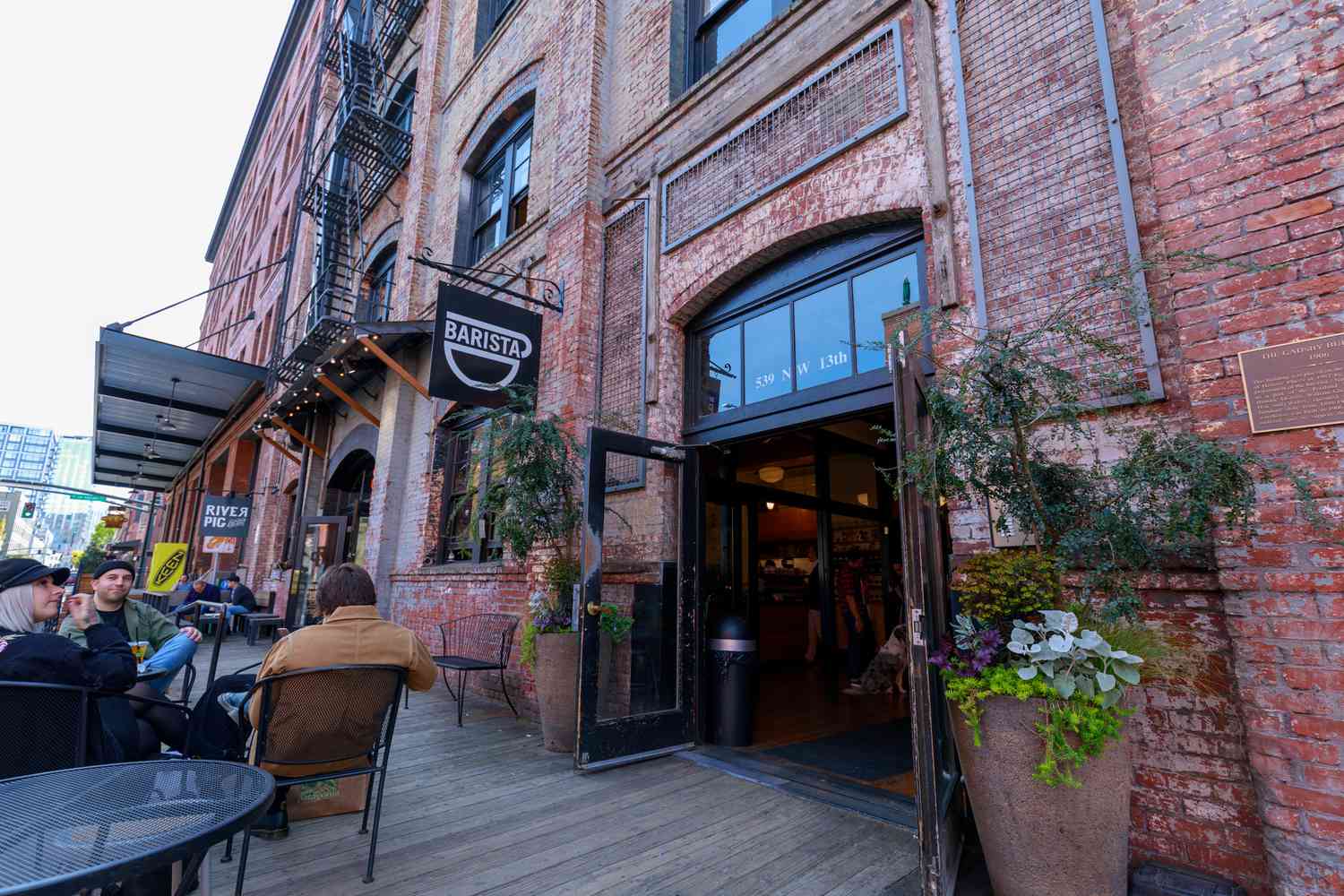
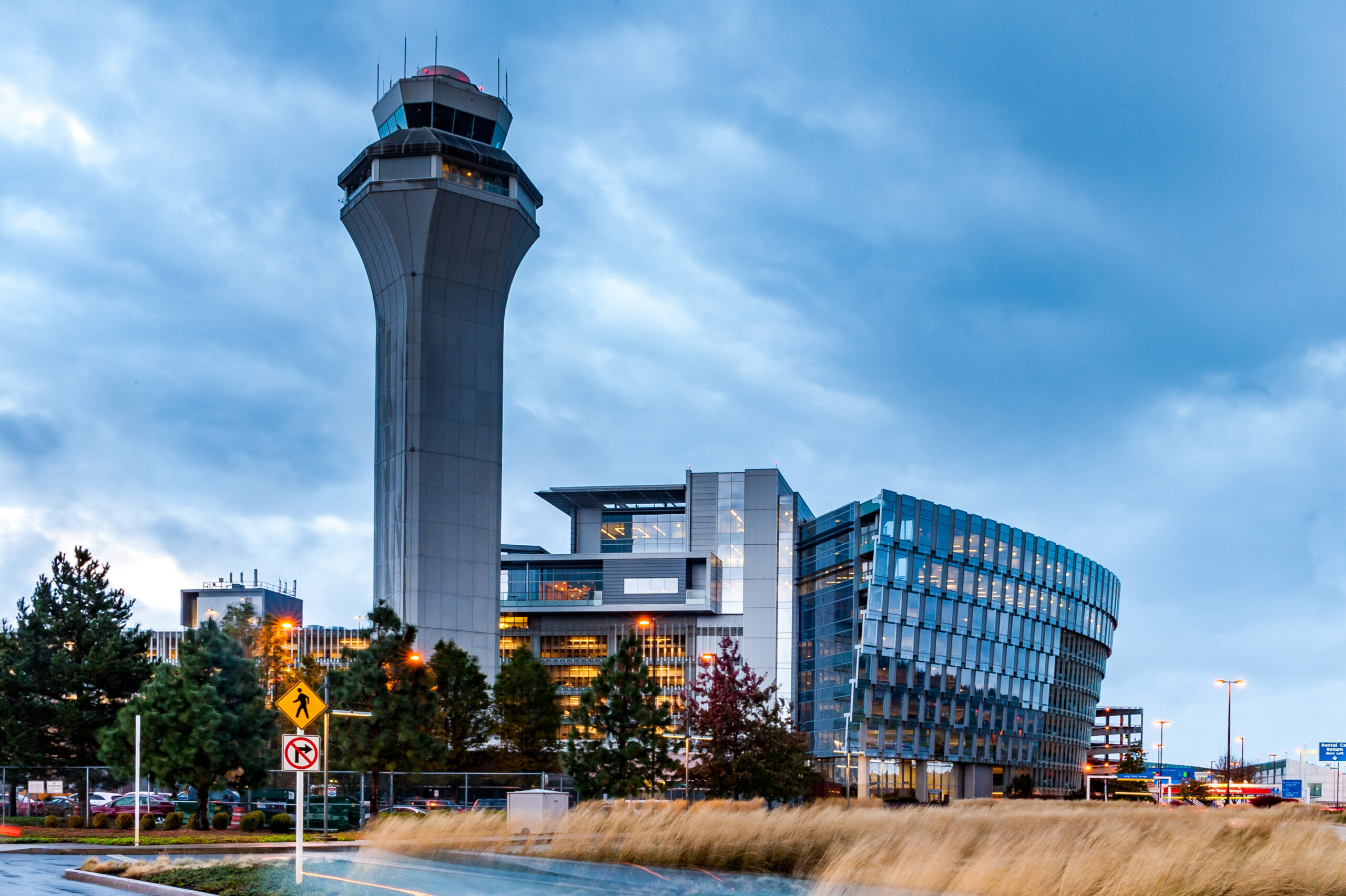
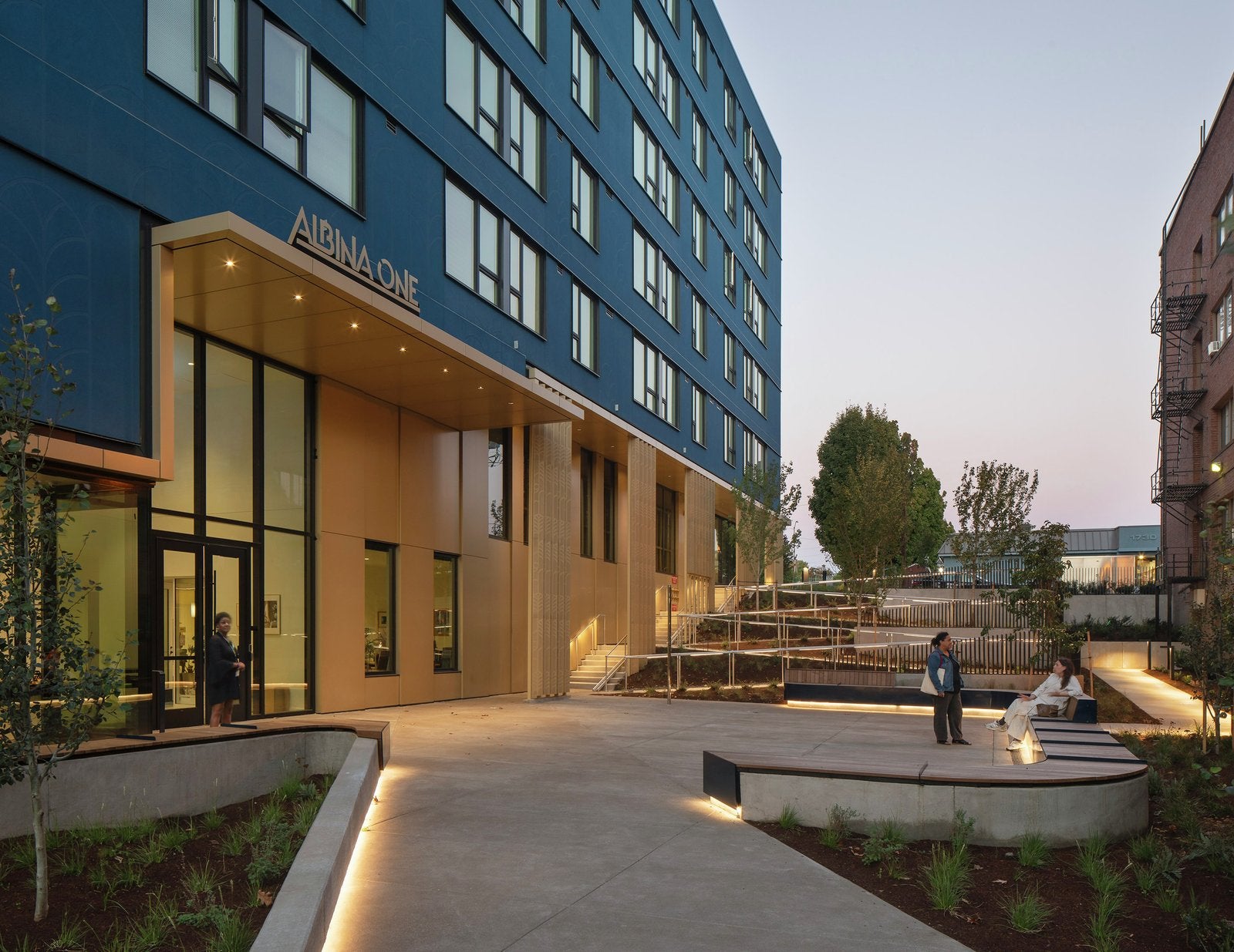
Few buildings stack as many different demands on one footprint as a mixed-use development. Ground-floor retail, a parking podium, residential or office floors above, a landscaped courtyard on the deck, and a mechanical penthouse on top can all live in a single structure, and each of them treats the roof and waterproofing planes differently. Portland has built a generation of these projects, from the Pearl District blocks that turned rail yards into residential towers, to the dense transit-oriented buildings along the MAX and streetcar lines, to the adaptive-reuse conversions in the Central Eastside where old warehouses now carry apartments over makers and restaurants. We work on all of them, and the first thing we do is separate the roof into the systems it actually contains rather than pricing it as one flat plane.
That distinction matters more on mixed-use than on almost any other building type, because the failure modes are expensive and they land on occupied space. A leak through a standard roof drips into a single tenant suite. A leak through a podium deck travels into the parking structure below, or worse, into the lobby and the residential units the deck supports. Treating a plaza deck or an amenity terrace like ordinary low-slope roofing is the single most common and most costly mistake we see on these buildings, and most of those assemblies fail inside five years.
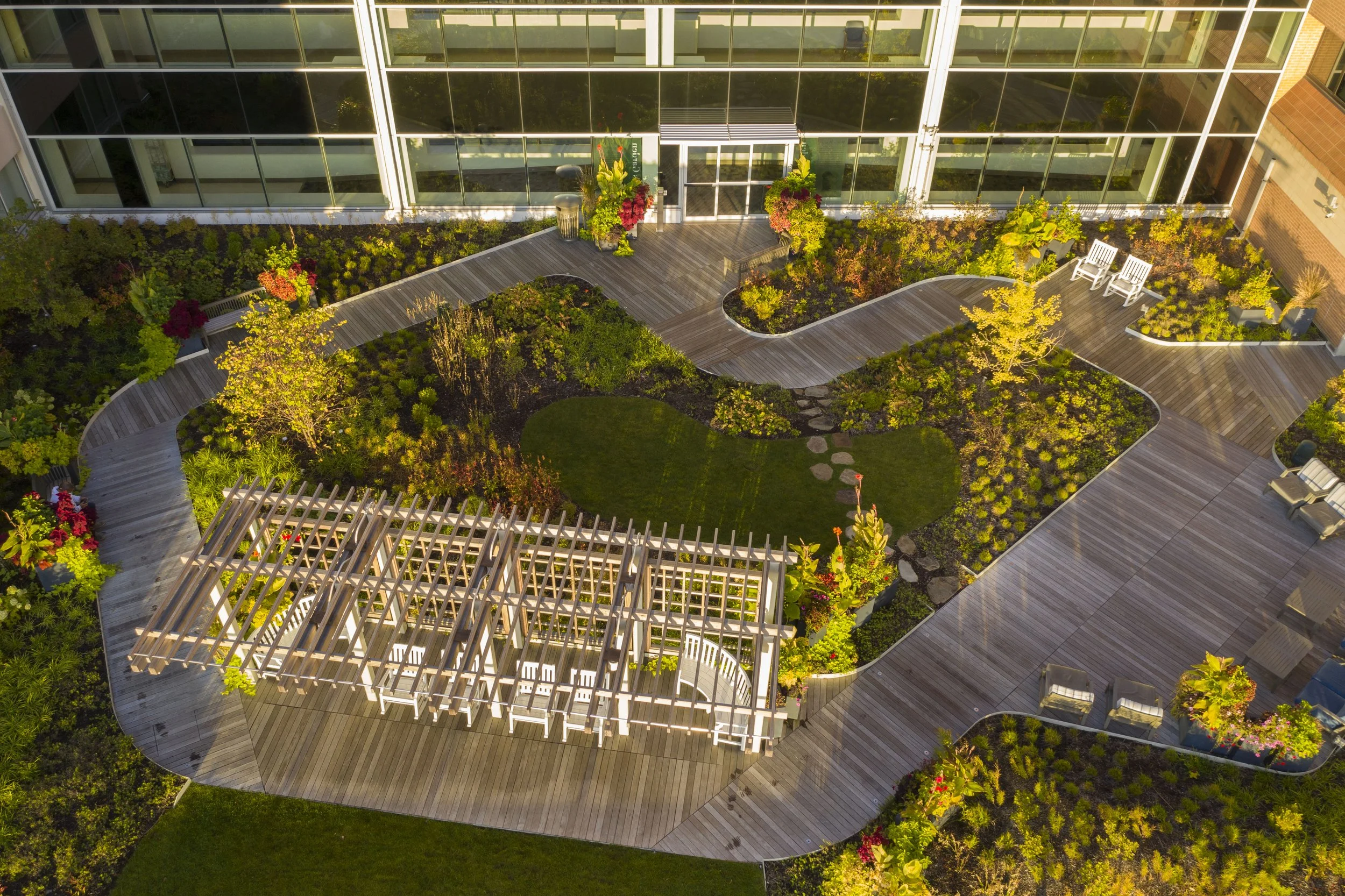
The podium level, the deck between parking or retail at grade and the occupied floors above, is a hot-applied or fluid-applied waterproofing problem, not a single-ply roofing one. It has to handle structural deflection as the building loads and unloads, constant hydrostatic pressure under planters, root intrusion from landscaping, and pedestrian or vehicle traffic depending on how the deck is used. That calls for a traffic-bearing membrane, drainage composite, protection course, and root barrier in the planter zones, all coordinated with the structural engineer on the insulation load path. We specify and install these assemblies as a system and warranty them as one, rather than bolting a roofing membrane onto a deck it was never designed for.
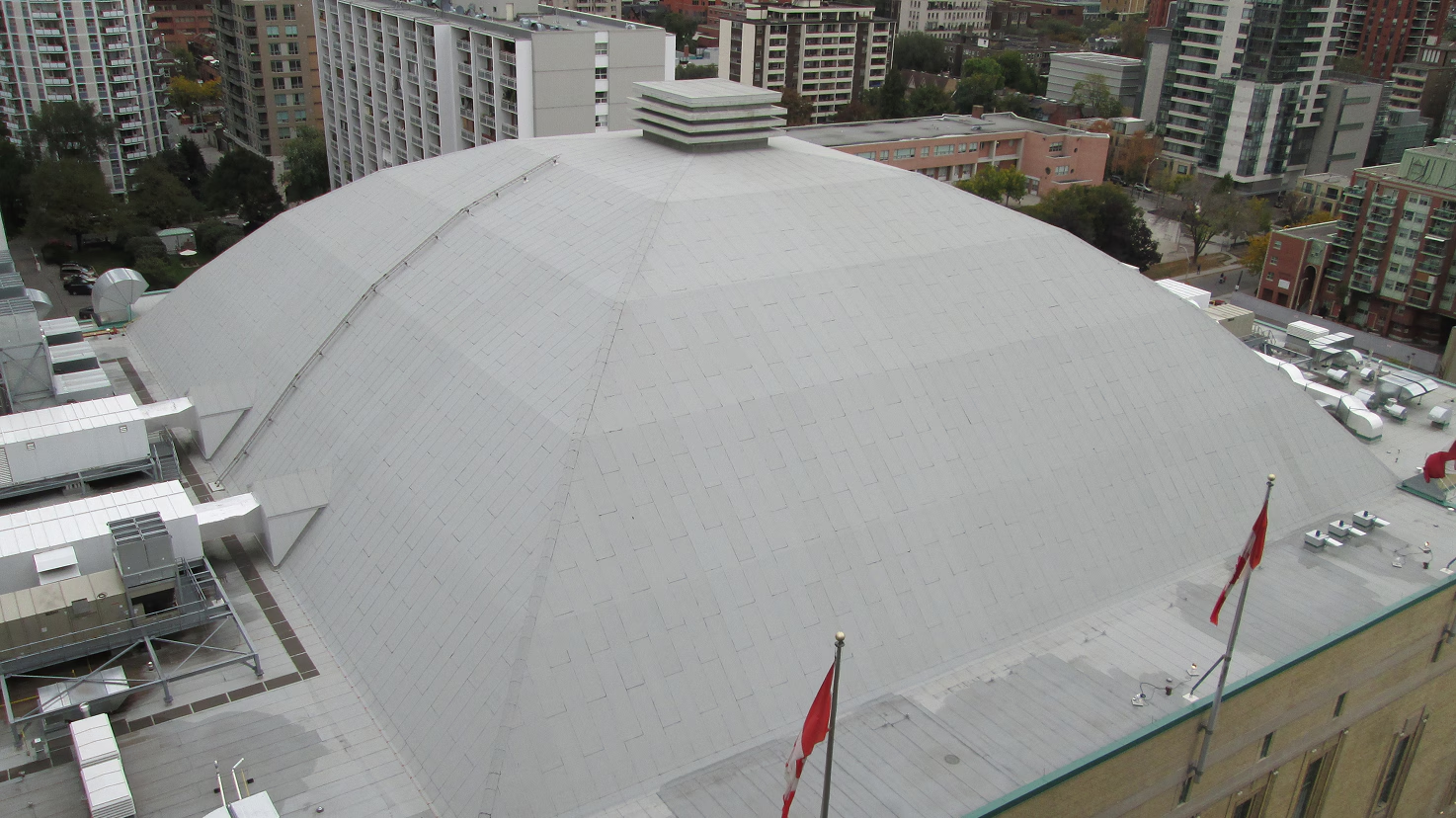
The uppermost roofs on a mixed-use tower bring their own list: parapet drainage and overflow scuppers, flash-through detailing at the mechanical penthouse, elevator overrun and stair enclosures, and increasingly a rooftop amenity deck for residents. Portland's wet season puts every one of those details under sustained load, so overflow drainage is not a code box to check, it is what keeps a clogged primary drain from ponding water over occupied apartments through a February storm. Amenity decks get the same traffic-bearing waterproofing treatment as the podium, installed under the finish surface and coordinated with the deck and railing contractors, never a bare membrane that residents walk on.
On a reroof or a renovation, the building is occupied. Residents are sleeping behind the parapet and retail tenants are open below, which shapes the whole sequence. Portland's noise ordinance limits when loud work can run near residential units, and ground-floor retail and restaurant operations dictate where we can stage material and run hoist access. We build a phasing plan before mobilizing that keeps dust and debris contained, protects the entrances tenants and customers use, and coordinates elevator and common-area access with building management. As on every project, the work area is watertight before crews leave at the end of the day, which on an occupied residential building is not optional.
The part owners and lenders worry about most is what happens when something leaks and two manufacturers point at each other. Mixed-use developments combine roofing and waterproofing systems that meet at transitions, and those transitions are where warranties get murky. We coordinate the systems so the responsibility is clear: matched or compatible manufacturers, properly detailed terminations where the podium ties into the building wall and where the upper roof meets the penthouse, and a single point of accountability for the assemblies we install. For construction lenders and developers we work inside the submittal and QC framework the project already runs on, from architect-reviewed submittals and manufacturer technical approval through mock-up testing, inspection reports, and warranty registration at closeout.
Whether the project is a new ground-up block, a transit-oriented building over a parking podium, or a warehouse conversion stacking apartments over retail, the discipline is the same. Identify every distinct roofing and waterproofing system, specify each one correctly for what it actually has to do, and tie them together so the building is protected as a whole and the warranty holds.
Because a podium deck carries traffic, planter hydrostatic pressure, root intrusion, and structural deflection that a single-ply roofing membrane is not built for. It needs a traffic-bearing waterproofing assembly with drainage composite and a root barrier. Standard membranes used this way typically fail within five years.